01
The Science of Sfumato
Why Old Master paintings feel alive while most modern paintings feel manufactured.
 000
000ART OF SFUMATO
ART OF SFUMATO
Steal my secret Sfumato technique in oil painting that makes skin glow, shadows breathe, and paintings feel alive.
Get the course now for just…
€245€55
One time paymentInstant accessLifetime updates
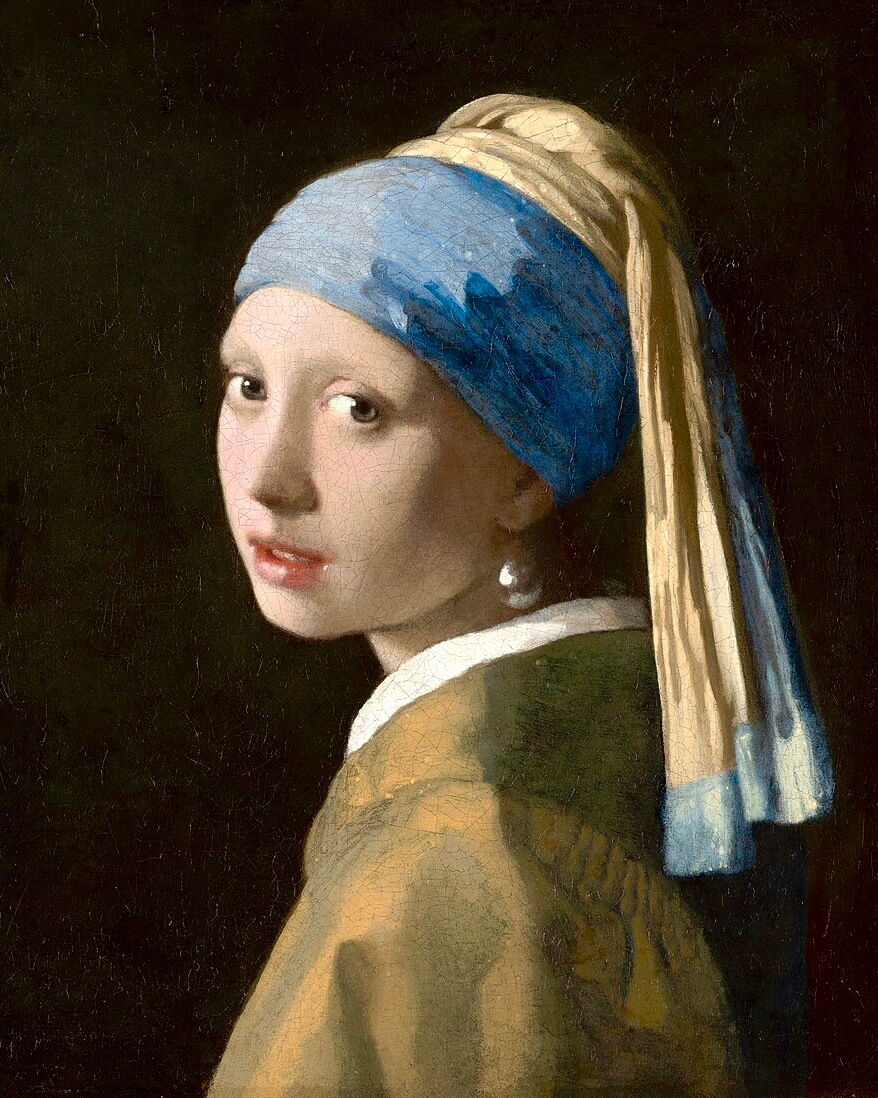
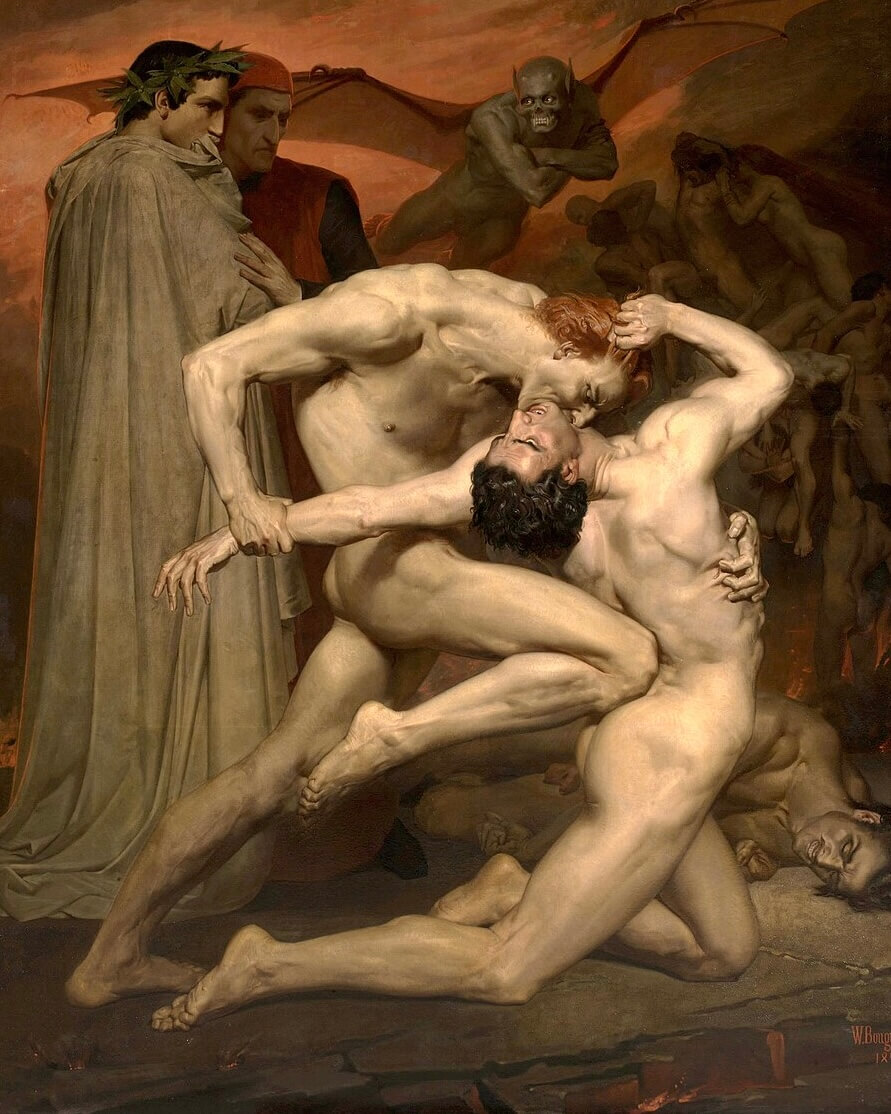
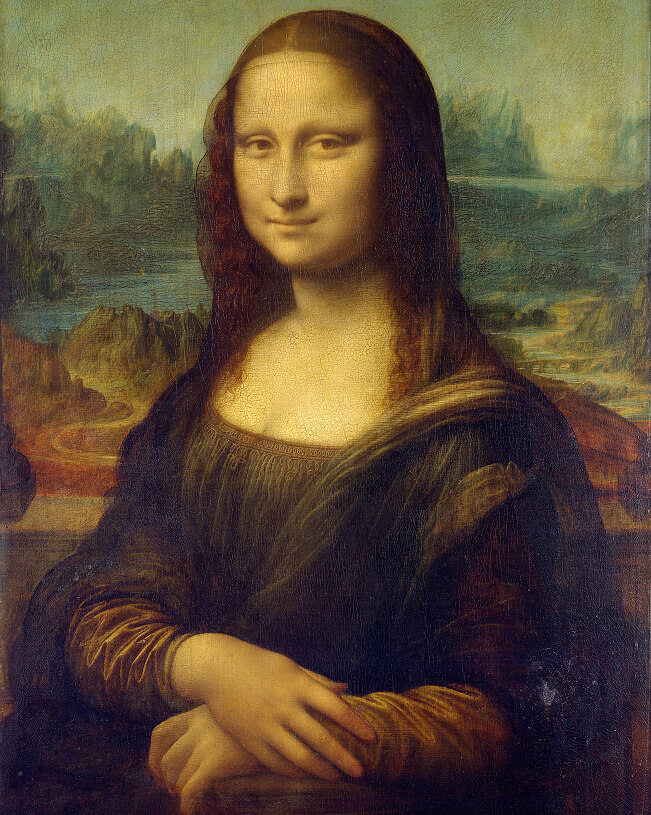
Swipe through. Look inside each circle before you read the answer.
Leonardo used it on a smile. Caravaggio on skin.
Here is what it does on a modern painting, with my own approach and my own recipes.
Six things painters tell me about their own work. Most recognise four.
The proportions are correct, but the face feels sculpted instead of alive.
Every glazing attempt turns muddy and kills the freshness of the painting.
The viewer can immediately see where one shape ends and another begins.
The painting becomes softer… but somehow worse.
But nobody shows you how to actually achieve that effect with modern materials.
You can see the gap between where you are and where you want to be.
The same hands. The same canvas.
One layer done differently.
Skin that feels alive
Shadows that glow from within
Edges that disappear into atmosphere
Portraits that stop people in their tracks
Paintings that feel like memories
Imagine creating work that carries the mystery, depth and emotional power people normally reserve for museum masterpieces.
That’s exactly what this course was designed to help you do.
Wow! I want to learn that!!Module 03 · The medium
What if the biggest thing holding your paintings back… isn’t your skill?
It’s your medium.
Most artists spend years trying to improve their brushwork — while completely ignoring the one thing that controls how paint behaves.
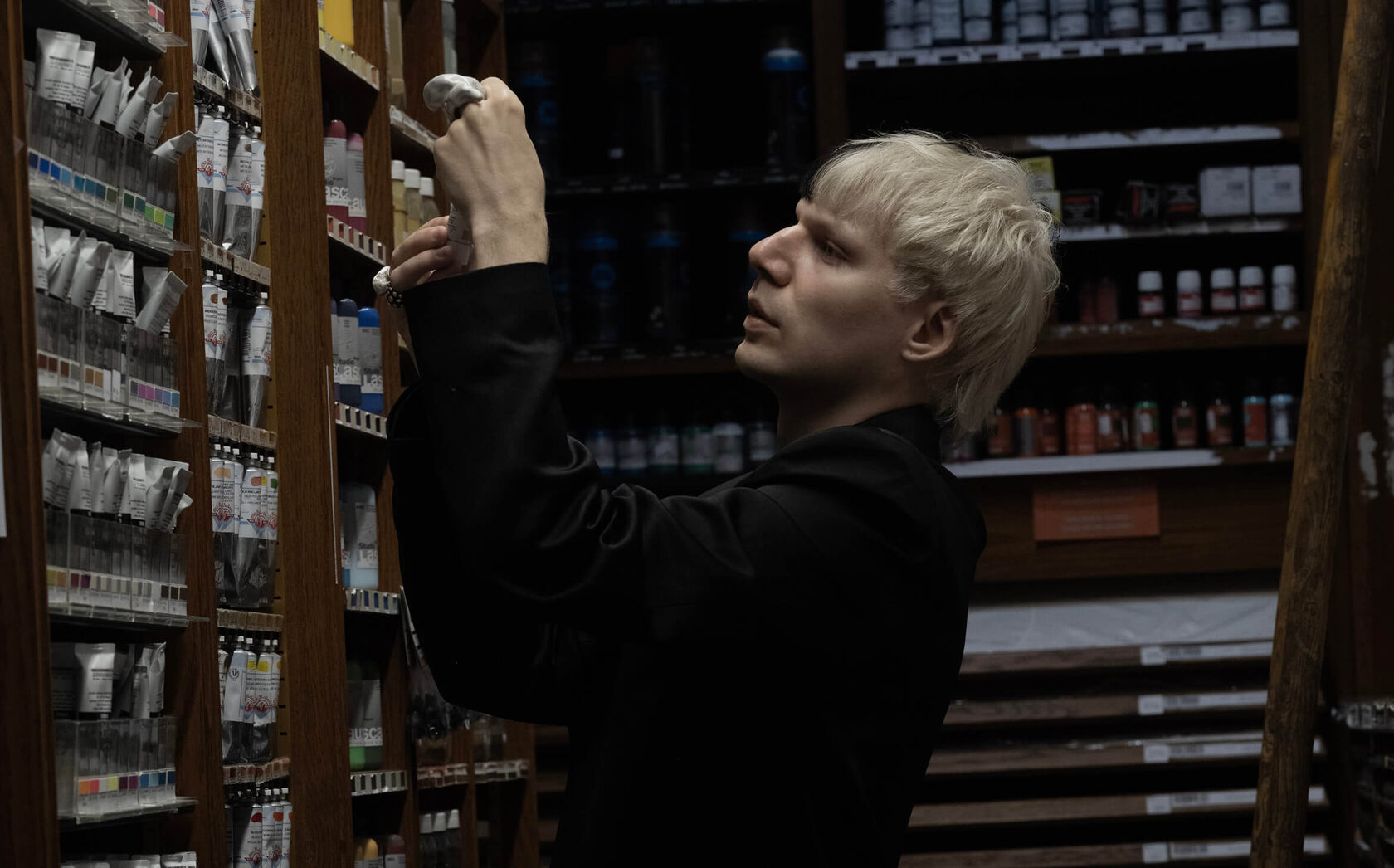
In this module I show you the exact formula I use, and how it transforms the way oil paint blends, moves and feels on the canvas.
One time paymentInstant accessLifetime updates
You buy better brushes.
Better paints.
Better references.
Yet somehow your paintings still feel…
Flat.Dead.Overworked.
The anatomy is correct.
The values are correct.
The rendering is correct.
But the magic
is missing...
And no matter how many YouTube videos you watch, nobody explains what separates a technically good painting from a painting that feels alive.
Until now.
Reveal The Sfumato SystemFive modules. One of them I have never shown anywhere.
01
Why Old Master paintings feel alive while most modern paintings feel manufactured.
02
Every paint, brush and material needed to make a perfect sfumato possible.
03
The exact glazing medium I mix – the one that makes your brushstroke disappear.
04
The exact glazing process I use to build depth, luminosity and atmosphere.
05
Watch the whole finish, layer by layer, on one complete oil painting.
Three things you will not get. Three things you will.
WHAT’S CROSSED OUT
No endless lectures.
No vague artistic philosophy.
No generic beginner advice.
WHAT YOU’LL GET INSTEAD
You’ll watch my actual process.
My actual layering system.
My actual decision-making.
The exact techniques I use to create the atmosphere, softness, and depth that define my work.
Everything exposed.
Nothing held back.
What artists say
None of them came for another technique. They came because their transitions kept fighting back.
“For years, I thought softness came from having a better brush. Now I understand it comes from knowing exactly what to do between the brushstrokes.”
Daniel · Oil Painter
“I finally understood why some of my paintings looked technically good but still felt flat. Sfumato completely changed the way I think about transitions, light and atmosphere.”
Elena · Oil Painter
“The biggest difference wasn’t learning another technique. It was learning how to make the technique disappear. My brushstrokes stopped fighting the painting.”
Mark · Oil Painter
Their own canvases
Same painters. Same hands. One layer done differently.
Everything painters ask me before they buy:
The final layer of an oil painting — glazing and soft transitions. Everything in it happens at the final stage, in the passages where the brushstroke disappears and the form starts to breathe.
It is not a full painting course. There is no drawing, no composition, no colour mixing, no underpainting. It picks up exactly where technically correct stops being enough.
If you want to learn the full painting process, I have a 590€ full course about it: get it here.
Yes. You need to build a solid underpainting and get your values roughly right on your own — this starts after that point. If drawing and values are still shaky, learn those first; you will get far more out of this afterwards.
Yes. Module three is the exact glazing medium I mix, with the reasoning behind every part of it, and what changes when you adjust the proportions. It is the part I have never shown anywhere else.
Mostly. Modules two and three go through every paint, brush and material the technique needs, and where a cheaper substitute is fine versus where it will cost you the effect. You will not need to replace your whole kit.
No. The whole method depends on how slowly oil paint stays open — that is what lets an edge dissolve instead of stopping. Acrylic dries far too fast for these transitions, and digital solves the problem a completely different way.
Access is instant and the course is self-paced — you watch it in your own studio time and rewatch any part as often as you need. One payment, lifetime access, and any future updates are included.
Honestly, not yet. You would understand the ideas but not be able to apply them, because they sit on top of skills you are still building. For that I recommend my full oil painting course, which works for beginners and professionals alike: get it here.
Come back when your paintings are correct and you can feel that something is still missing — that is exactly who this was made for.
You already know what your paintings are missing.
Now let’s learn how to fix it.